<< Back
Does a Lung Nodule Mean Cancer? What Happens Next
November 12, 2026
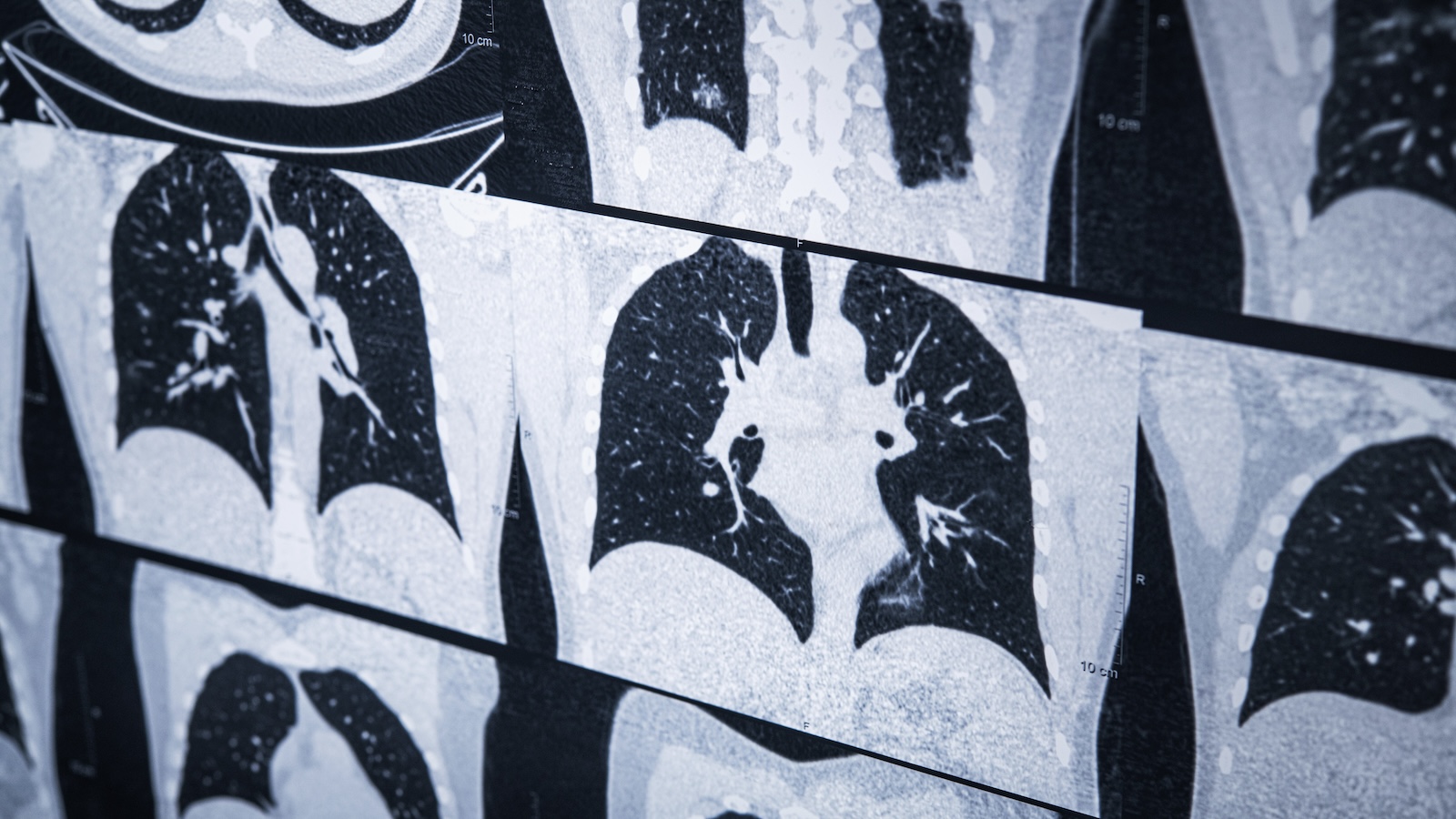
A lung nodule on your CT scan results can be scary, especially if you don’t know what it means.
But the good news is that most lung nodules aren’t cancer. In fact, they’re pretty common and are usually related to old infections, inflammation or scar tissue.
“A lung nodule is a finding, not a diagnosis,” says Brian Whang, MD, medical director of the lung screening program at Hartford HealthCare. “Finding one doesn’t mean you have lung cancer. The next step is figuring out what that particular nodule means for you.”
So what happens after a lung nodule shows up on your scan? Here’s what you should know.
1. Most lung nodules aren’t cancer
A lung nodule is a small spot seen that shows up on a CT scan or another imaging test. It can show up during a low-dose lung cancer screening or when you’re having a scan for an unrelated reason.
“People understandably hear ‘nodule’ and think ‘cancer,’” says Dr. Whang. “But most of the time, that’s not what we’re dealing with.”
Lung nodules are especially common in people having lung cancer screening, and most are benign. But it’s still important to find out what’s causing yours.
“Our goal is to identify the nodules that need attention without putting people through unnecessary tests or procedures,” he adds. “That means looking closely at each nodule instead of treating them all the same.”
> Related: Fit This Criteria? You Might Need a Lung Cancer Screening
2. Your nodule’s size, shape and history matter
Not every lung nodule needs the same type of follow-up, and size is just one thing that’s considered.
“The important thing isn’t simply whether a nodule is there,” says Dr. Whang. “We look at its size, appearance and whether it’s changed over time. We also consider your overall risk factors.”
Your care team may look at:
- Size and shape: How big is the nodule, and what does it look like.
- Appearance: Is it solid, part-solid or hazy?
- Changes over time: Is it new, growing or staying the same?
- Personal risk factors: Your age, smoking history and history of cancer.
Your care team may also ask about symptoms that could be associated with lung cancer.
“If you’ve had a chest CT in the past, comparing the images can give us important information,” he explains. “A nodule that hasn’t changed over time tells us something different from one that’s new or growing.”
> Related: 5 Common Causes of Lung Cancer Besides Smoking
3. You might not need any treatment.
If your nodule is low-risk, you might not need a biopsy or surgery, just another CT scan.
“Sometimes the safest and most appropriate thing to do is watch a nodule,” says Dr. Whang. “A follow-up scan allows us to look for growth while avoiding an invasive procedure that may not be necessary.”
Your next scan could be in a few months or at your next annual screening, depending on the nodule. Screening programs use standardized systems s like Lung-RADS to guide that decision.
“Watching a nodule isn’t the same as ignoring it,” he adds. “The follow-up scan is how we know whether the nodule is staying the same or needs more attention.”
> Related: 5 Reasons You Might Want a Lung Cancer Screening
4. Some nodules need more testing
A larger, growing or otherwise concerning nodule may need a closer look.
“A suspicious nodule still isn’t the same thing as a cancer diagnosis,” says Dr. Whang. “The purpose of more testing is to better understand the chance that it’s cancer and decide on the safest next step.”
That could include:
- PET/CT scan
- Biopsy
- Specialist evaluation
“For more complicated findings, it helps to bring different specialists to the table,” he explains. “That can include experts in pulmonology, radiology, thoracic surgery and oncology.”
5. Don’t skip your follow-ups
Most lung modules don’t cause any symptoms. So even if you feel healthy, it’s still important to keep up with your scans.
“One of the biggest things we tell patients is to stay on top of follow-up,” says Dr. Whang. “Most nodules won’t turn out to be cancer, but following the recommended timeline is how we recognize a meaningful change early.”
If your report recommends another scan in three, six or 12 months, make sure it gets scheduled.
“Feeling fine is reassuring, but it doesn’t tell us what the nodule is doing,” he adds. “The scan does. That’s why it matters even when you feel great.”
> Related: Are You a Former Smoker? You May Still Need to Get Screened for Lung Cancer
Finding a lung nodule early can mke a difference
Lung cancer screening is designed to find cancer before it causes symptoms, when it’s usually easier to treat.
So while finding a nodule can be stressful, spotting changes early is exactly what CT imaging is meant to do.
“A nodule isn’t a reason to assume the worst,” says Dr. Whang. “It’s a reason to make sure you understand the follow-up plan and stick with it. When a nodule does represent an early lung cancer, finding and addressing it early is exactly what we want.”